Visibility
0%
Share of answers where your brand or a specific product is named, per engine and per collection.
Sayrank checks whether ChatGPT, Claude, Gemini and Perplexity can read your store at all, fixes what blocks them, rewrites the cards so there is something to quote, and tracks every answer where your products appear. The agent prepares each change and waits for your approval.
 Color black
Leather smooth calfskin
Handle green marbled resin
Shape soft, gathered front
Trend resin top handle +47%
Color black
Leather smooth calfskin
Handle green marbled resin
Shape soft, gathered front
Trend resin top handle +47%
Google hands the shopper a list of links to open. An answer engine skips the list: it reads the card, decides whether it can answer with it, and names the product. Same bag, two different outcomes.
Shop black leather bags from 90+ designers. Free shipping and returns.

Discover black leather handbags. New season arrivals, express delivery.
Black leather bag with handle. Elegant leather handbag for women. Made in Italy. Free shipping on black leather bags.
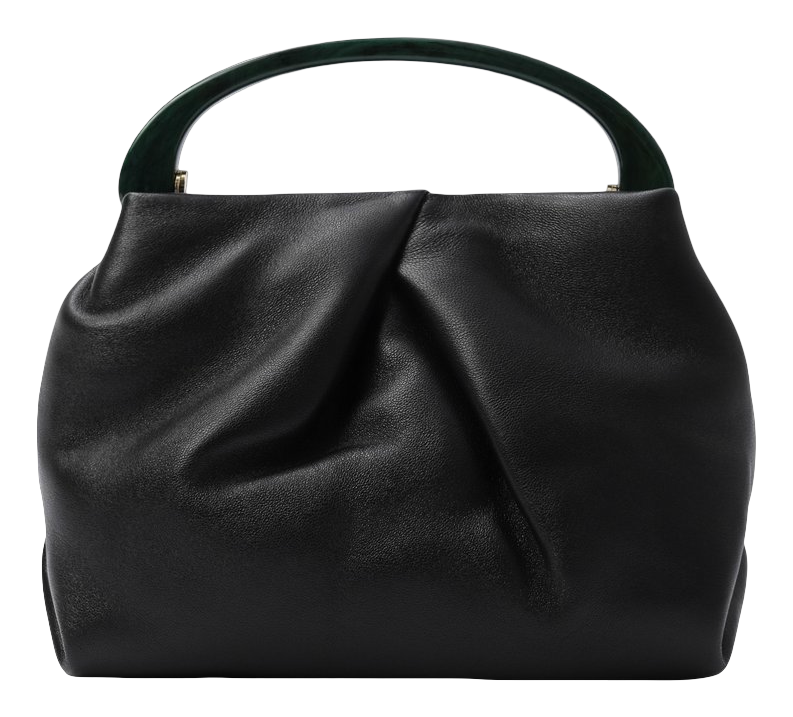
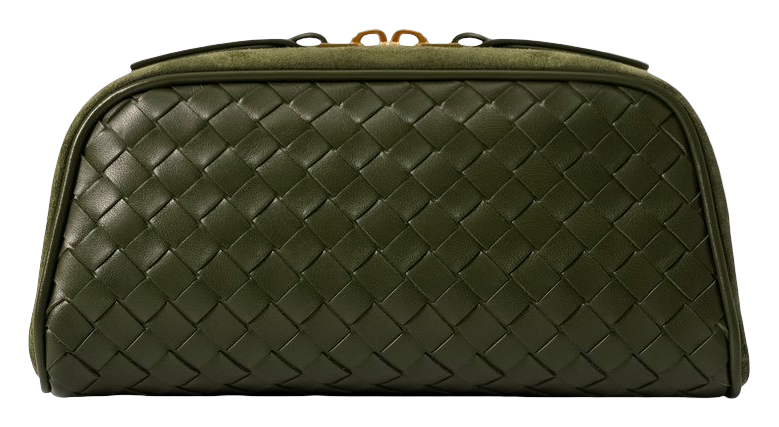
For a bag that takes a 13-inch laptop and still reads as evening, look at Terra Atelier. It is soft calfskin with a marbled resin top handle, 28 × 20 cm, and fits a phone, wallet and a small book alongside the laptop. Closest alternative to a Bottega pouch with a rigid handle, at $1,180 instead of $2,900.
Every day Sayrank asks the engines what your shoppers ask, and records what they name — your products, your pages, and the brands standing next to you. Site and catalog, watched as one. Click an engine to see how it chooses.
Leans on fashion editors and retailer pages. Names 3 to 5 products, explains occasion, fit and price.
A blocked bot, a page drawn by scripts, a missing Organization block — and the engine answers with a competitor who let it through. Eleven checks say exactly where you stand and what each one is worth in points.
Load the CSV your store exports, or let the scanner walk your sitemap. The agent reads every row and photo, scores each card and proposes what to add — for your own label and for the brands you stock. Click a product to see the rewrite and approve it.
Waiting for the file…
This is the dashboard you open after the first scan: the agent's read-out on top, then the numbers, the site, the catalog and the answers. Click any section on the left.
Bots stop at Product markup — everything after it is invisible to the engines, however good the catalog gets.


| Prompt | Engines | Mentioned | Position | Top cited source | Trend |
|---|---|---|---|---|---|
| leather bag with a top handle for day to evening | 3 / 4 | 2 | whowhatwear.com | ▲ 12% | |
| suede sneakers with a chunky sole | 2 / 4 | 4 | terra-atelier.com/chloe-nama | ▲ 6% | |
| quiet luxury clutch for a wedding guest | 1 / 4 | 5 | thecut.com | ▼ 3% | |
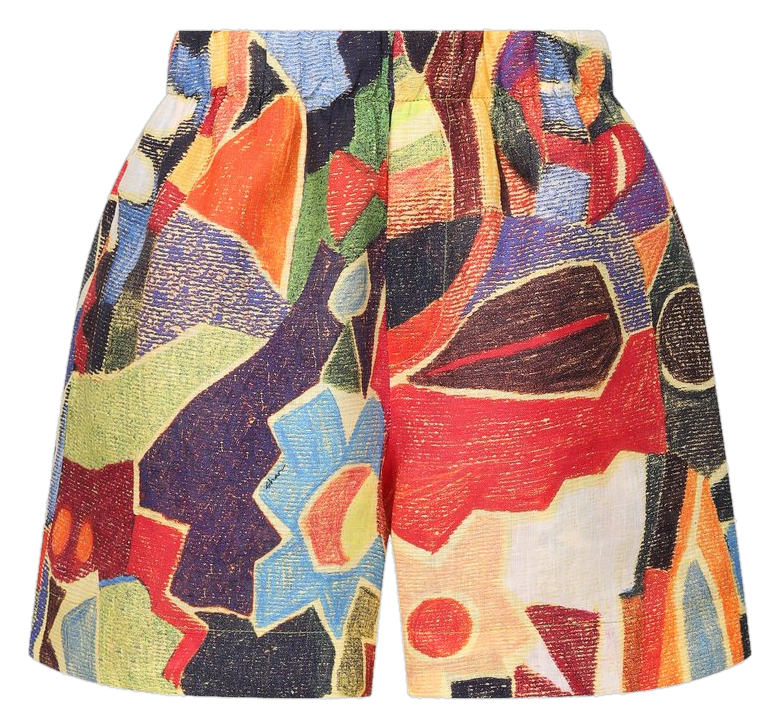
| printed linen shorts for summer | 0 / 4 | — | nordstrom.com | new |
Eleven checks on whether an answer engine can reach and read your pages, each with points and a ready fix.
14-day trial, no card. The first scan needs nothing but your domain.Ask it anything, or say nothing at all. It reads the site, the cards and the answers, proposes the change, and writes it the moment you approve.
<head>
  <title>Terra Atelier</title>

</head>It proposes, you approve, it writes — and the journal keeps the way back.
Sayrank measures the whole path per product: which cards the engines name, where you sit in the list, how often you are cited, and how quotable the card is.
Share of answers where your brand or a specific product is named, per engine and per collection.
Where you sit in the list when the engine recommends several options. Lower is better.
1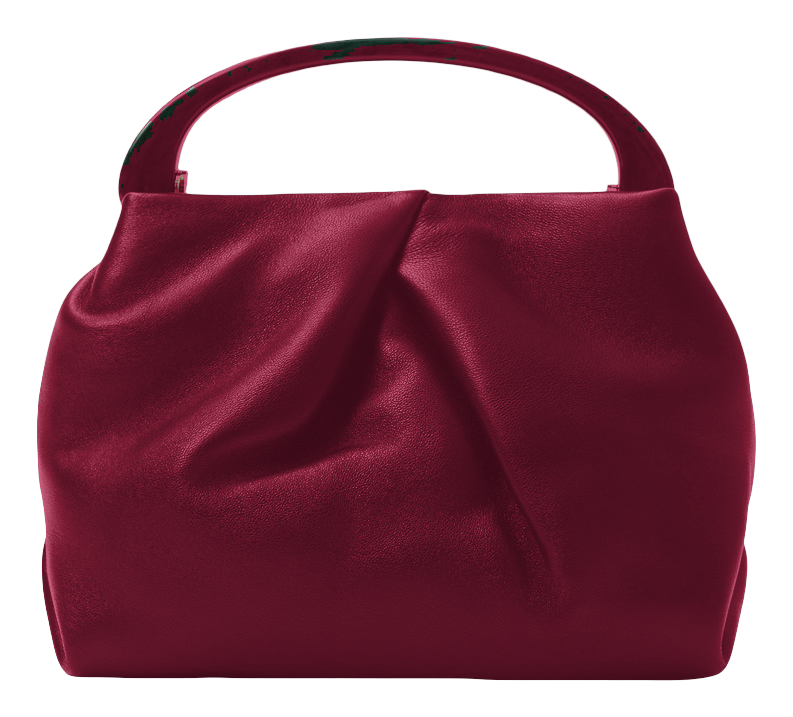 2you3
2you3Engines quote sources when they answer. These are the ones they trust in your category — and where your site stands among them.
How quotable a product card is: fit, fabric, care, who it is for, comparisons. Rises as the agent rewrites.
This is what your shoppers see. Every card is a real-shaped answer with the products, brands and sources the engine chose. Hover to pause.
Works with the store you already run, and the engines your shoppers already ask
Chat, catalog and site work draw from the same monthly quota. Before any run that spends it you see the price and confirm. Nothing is charged twice, nothing runs behind your back.
No. The agent prepares a plan and shows both sides of the change: what stands in the store now and what it will write. Nothing is applied until you press Apply, and every applied change goes into a journal with a revert button that writes the previous value back.
Shopify, WooCommerce and Webflow connect by key, with step-by-step instructions per platform. Without an API the agent switches to guiding you: the same fix, split into steps with the exact text to paste, in the chat. The catalog still exports as a file in the format you uploaded.
ChatGPT, Claude, Gemini and Perplexity, through their official APIs. Prompts run daily: one engine a day on Starter, engines in rotation on Growth, all four every day on Scale. Google AI Overviews are not covered — there is no API for them.
One balance for everything — chat, catalog, site work. Each plan includes a monthly quota, and before any run that spends it you see the estimated price and confirm. If it runs out mid-month you buy a top-up pack, and packs never expire.
Facts are checked against the card and the product page before they are saved, so a promo banner does not end up in the material field. The brand voice comes from your own texts, every field is a draft until you approve it, and your edits feed the next cards.
SEO gets a page into a list of links. An answer engine shows no list — it names two or three products and quotes facts from the card. Sayrank measures whether you are named, fixes what stops the crawler and rewrites the card so there is something to quote. Your SEO stays untouched.
All it takes is one evening: upload the CSV tonight, read the first report and ten rewritten cards in the morning.
We would like to measure how the page is used. Nothing loads until you agree. See the Privacy Policy.